Hospitals can be very busy and hectic. Healthcare professionals not only have patients to care for, but an extensive list of administrative duties to accomplish as well. But in this fast-paced environment, communication breakdowns between healthcare providers and patients can occur that may negatively affect patient care. Therefore, consistent, effective communication between physicians, nurses, social workers, administrators, caregivers, and patients is a necessity, and through the right approach, can be readily achieved. Hospitals can be very busy and hectic. Healthcare professionals not only have patients to care for, but an extensive list of administrative duties to accomplish as well. But in this fast-paced environment, communication breakdowns between healthcare providers and patients can occur that may negatively affect patient care. Therefore, consistent, effective communication between physicians, nurses, social workers, administrators, caregivers, and patients is a necessity, and through the right approach, can be readily achieved.
Here are five tips to facilitate improved communication for heightened patient care.

Ask Better Questions
Asking the right questions is certainly important for healthcare professionals, but how these questions are asked, is just as critical. Rather than asking questions requiring a simple “yes” or “no” answer, make questions open ended and conversational. A discussion that is relaxed and informal will result in a more revealing and educational exchange of information.

Assess How Much a Patient Knows
Does the patient grasp the full extent of his or her ailments? What about the risks associated with different courses of treatment? Ensuring patient understanding is a challenging task as patients often struggle to remember spoken instructions. In fact, studies show that patients only recall about 40% of information provided verbally. And even more alarming, nearly half of what the patients do recall is actually different than the information they were given! Explaining the situation to patients clearly and in easy-to-comprehend terms significantly minimizes misunderstandings.

Use Visuals
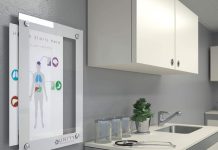
Learning styles vary from person to person. Some learn more from hearing while others learn more from visuals. Regardless of a patient’s dominant learning style, the inclusion of effective visuals can dramatically elevate patient understanding. Utilize a range of visuals such as drawings, graphs, words, and color variations to complement verbal explanations.

Clarify Each Provider’s Role
Patients often interact with multiple providers. Make it clear to the patient what the position of each provider is, why their role is important, and to whom certain concerns and questions should be communicated.

Internal Collaboration
Patient confusion and uncertainty will undoubtedly occur when disorganization exists between providers. Competent collaboration among healthcare providers is key to ensuring that communication is both consistent and clear, thereby alleviating potential patient frustration.
By incorporating these tips into the communication best practices for healthcare providers, all parties involved will be better informed, retain critical information more effectively, and most importantly, improve patient care!
At Clarus, we strive to enhance communication proficiency for healthcare professionals and patients by delivering glassboards that are not only of the highest quality, but are sleek, stylish, functional, and versatile as well. With Clarus glassboards, vital information and detailed healthcare explanations can be conveyed with ease and clarity to deliver optimal patient care!
Learn more about our innovative glassboard solutions for healthcare today!